



Content Menu
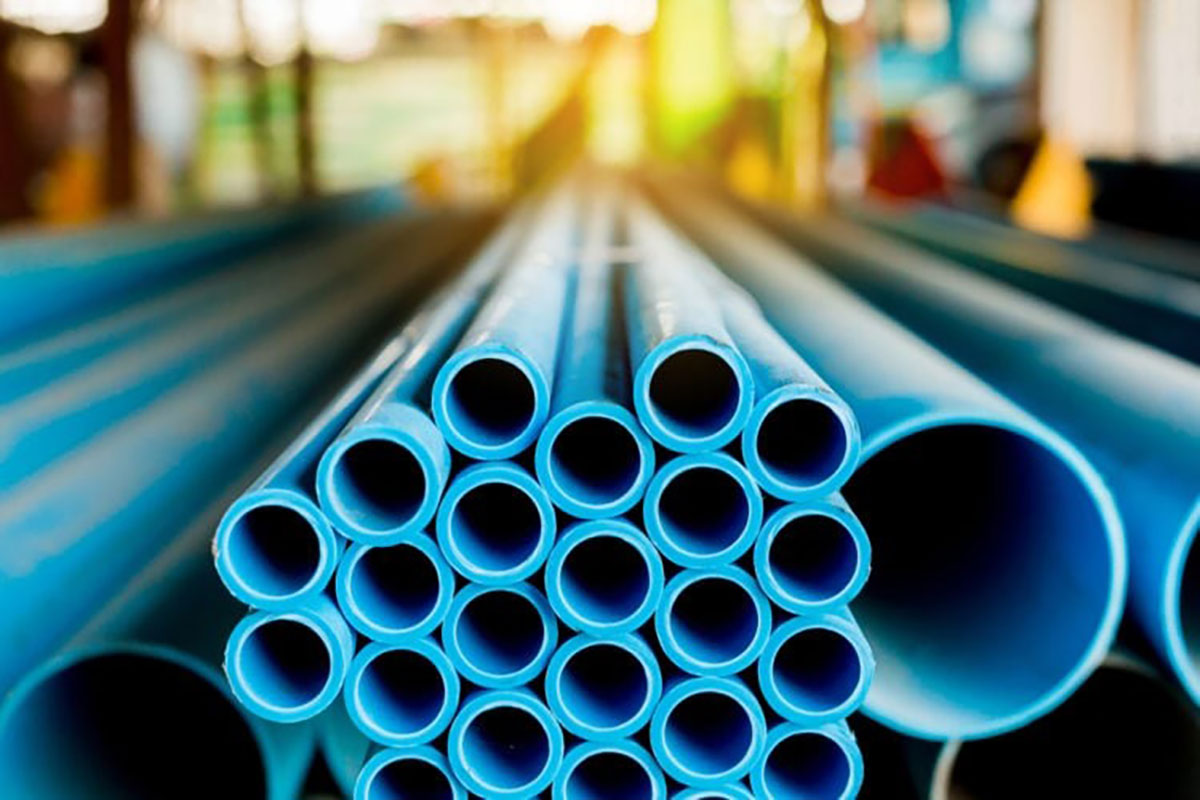
UPVC pipes are widely used in various industries, particularly in water supply and wastewater piping systems, due to their specific physical and chemical properties. Their corrosion resistance, lightweight structure, and long service life make them a suitable alternative to metal pipes in many applications.
Environmental Impacts of UPVC Pipes
The widespread use of UPVC pipes can have significant environmental impacts. The following sections examine these impacts in more detail.
Production and Raw Materials
The primary material used to manufacture UPVC pipes is polyvinyl chloride, which is derived from petroleum and natural gas. The extraction and processing of these fossil resources generate greenhouse gas emissions and contribute to air pollution. In addition, chemicals such as chlorine and other additives may be used during UPVC production. Certain formulations may contain substances such as phthalates or heavy metals, which can harm the environment if released or disposed of improperly.
Energy and Resource Consumption During Production
Manufacturing UPVC pipes requires energy. The production process involves extracting raw materials, processing them, and manufacturing UPVC polymer, all of which consume energy. This can increase the use of natural resources and greenhouse gas emissions, contributing to climate change and global warming.
Disposal and Recycling
One of the main challenges associated with UPVC pipes at the end of their service life is waste management. Because UPVC is resistant to biodegradation, discarded pipes do not readily break down in the natural environment. Improper disposal can therefore contribute to the accumulation of plastic waste.
Although UPVC can be recycled, the process requires appropriate equipment and energy. The presence of additives and the need to sort and process different material formulations can also make recycling more complicated. Consequently, effective collection and recycling systems are important for reducing the environmental impact of discarded UPVC pipes.
Read More: Applications of UPVC in Different Industries
Environmental Benefits
Despite these challenges, UPVC pipes can also offer environmental benefits in certain applications. Compared with some metal pipes, their lighter weight can reduce transportation requirements, while their corrosion resistance and long service life can reduce the need for repairs and replacement. These factors may help lower resource and energy consumption over the product’s lifetime.
Furthermore, properly designed and installed UPVC piping systems can help reduce water leakage, contributing to water conservation and reducing water losses.
Conclusion
Although UPVC pipes offer significant technical and practical advantages, their environmental impacts should not be overlooked. Issues associated with raw material production, energy consumption, end-of-life disposal, and the potential release of harmful substances require careful consideration. Improving resource efficiency, ensuring proper waste management, and expanding suitable recycling practices can help reduce the environmental footprint of UPVC pipes throughout their life cycle.
No comments have been sent yet!