



Content Menu
UPVC, or Unplasticized Polyvinyl Chloride, is a widely used material with a wide range of applications. The inherent properties of UPVC make it a valuable material in construction, agriculture, electrical systems, and even telecommunications. In this article, we will explore the various applications of UPVC.
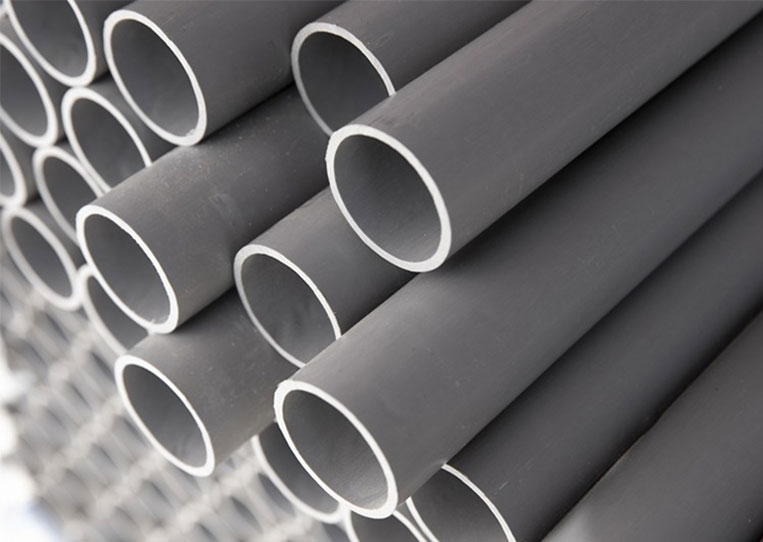
Applications of UPVC in Different Industries
These applications include:
Plumbing and Water Management
One of the most prominent applications of UPVC is in plumbing and water management. The inherent corrosion resistance of UPVC makes it ideal for drinking water supply lines, helping ensure the delivery of clean and safe drinking water to homes and buildings.
UPVC pipes are also lightweight, reducing labor costs and construction time compared with traditional metal alternatives. In addition, the smooth inner surface of UPVC minimizes friction, resulting in a more consistent water flow and lower energy consumption in pumping systems. Beyond drinking water, the durability of UPVC makes it suitable for drainage and sewage systems, as its chemical resistance helps prevent material degradation caused by chemical substances.
Electrical Pipes
The electrical insulation properties of UPVC have made it a popular choice in the electrical industry. UPVC is used in electrical conduit systems, cable insulation, and protective coverings for wires. Its non-conductive nature helps ensure safety and reduces electrical hazards. In addition, the flame-retardant properties of UPVC increase its suitability for electrical applications by providing an additional layer of protection against fire.
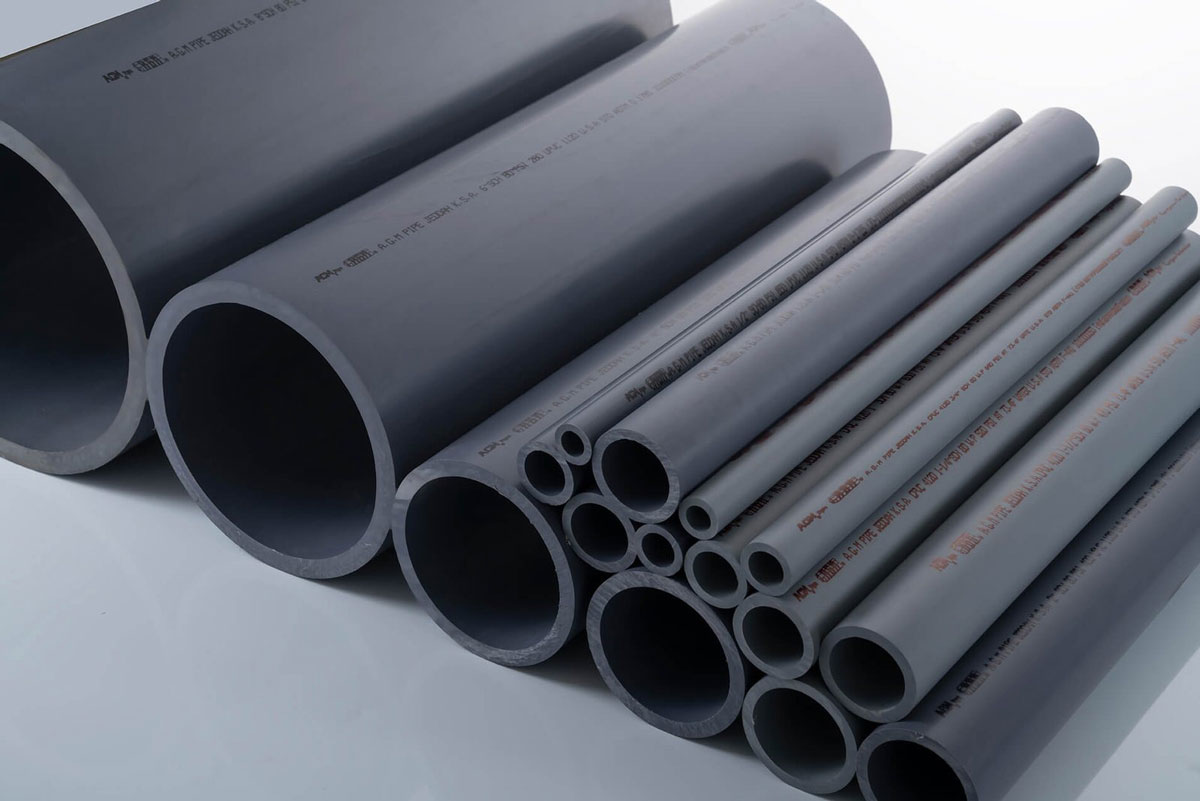
Irrigation and Agriculture
Another important application of UPVC is in the agricultural industry. In agriculture, UPVC plays an important role in irrigation systems. Its lightweight nature makes installation and transportation easier, while its durability ensures long-term performance under demanding outdoor conditions. UPVC pipes are resistant to damage caused by ultraviolet radiation and chemicals. This makes UPVC a reliable and cost-effective solution for delivering water to crops and promoting efficient irrigation practices.
Conclusion
In conclusion, the versatility and inherent properties of UPVC have made it a fundamental material across various industries. From ensuring the delivery of clean water to homes to facilitating efficient irrigation in agriculture, UPVC plays an important role in modern infrastructure. Its environmental benefits further expand the applications of UPVC, making it a suitable material of choice for modern engineering and construction.
No comments have been sent yet!