



Content Menu
The weight of UPVC pipes and fittings is one of the key advantages of this material. Thanks to their unique physical and chemical properties, UPVC pipes and fittings are widely used in various industries, including construction, water and wastewater infrastructure, and water supply systems.
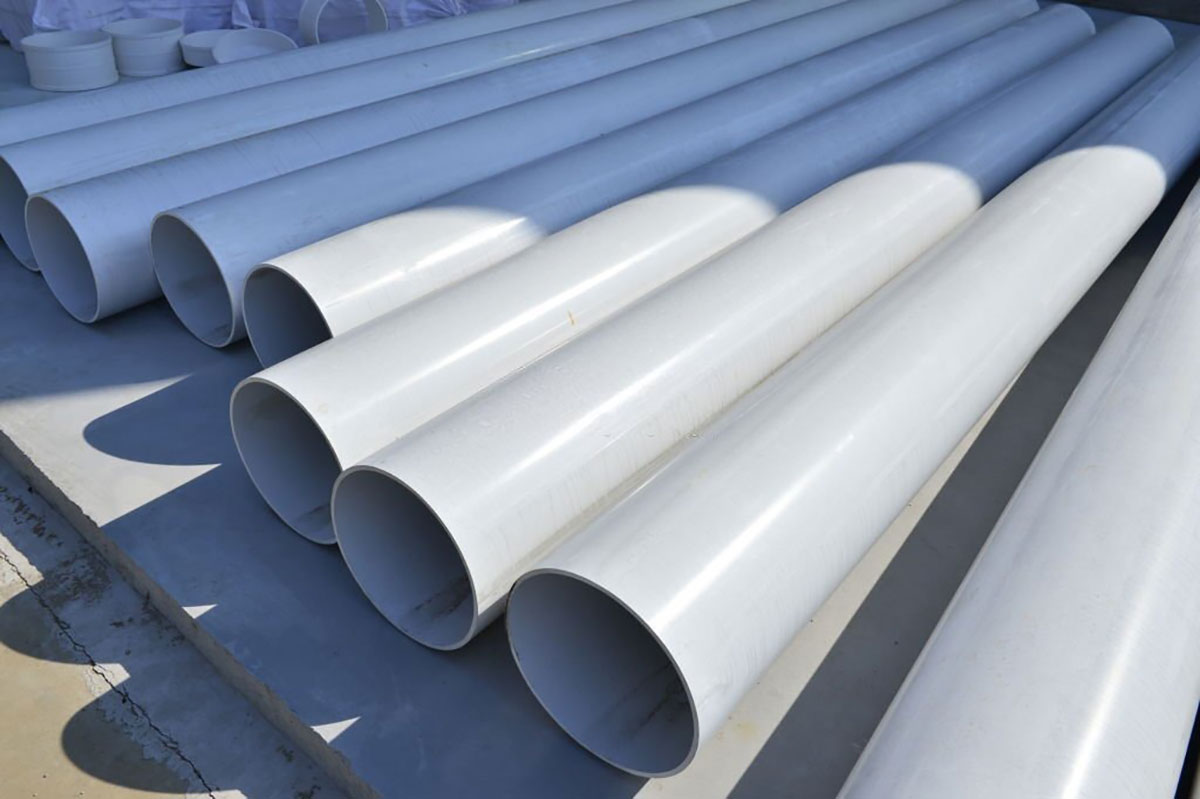
One important feature that affects the installation and performance of these products is their weight. The following article examines the weight of UPVC pipes and fittings.
UPVC Composition and Its Effect on Weight
UPVC pipes are primarily made from polyvinyl chloride (PVC), which undergoes a specific manufacturing process in which plasticizers are removed to create a rigid and durable material. This chemical composition makes UPVC pipes lighter than pipes made from metals such as steel or copper. The reduced weight of UPVC pipes and fittings is a significant advantage in various applications, as it makes transportation and installation easier and more cost-effective.
Weight of UPVC Pipes
The weight of UPVC pipes depends on several factors, including:
- Pipe wall thickness: UPVC pipes are manufactured with different wall thicknesses, which directly affect their weight. Pipes with thinner walls weigh less but may offer lower pressure resistance. Thicker-walled pipes, on the other hand, are more suitable for high-pressure applications but weigh more.
- Pipe diameter: The larger the pipe diameter, the more material is required, resulting in a heavier pipe. UPVC pipes are available in a wide range of diameters, from a few millimeters to several hundred millimeters, with different weights depending on the requirements of each project.
- Pipe length: Naturally, the longer the pipe, the greater its weight. UPVC pipes are commonly manufactured in standard lengths, such as 6 meters, but they can also be cut to the required length.
Weight of UPVC Fittings
UPVC fittings include elbows, tees, and other components used to connect pipes and change the direction of a piping system. The weight of these fittings depends on the following factors:
- Type of fitting: Some fittings have more complex structures and weigh more because of their shape and greater material volume. For example, 90-degree elbows and tees generally weigh more than simple couplings.
- Fitting size: As with pipes, fitting dimensions affect weight. Larger fittings designed for pipes with bigger diameters generally weigh more.
- Fitting wall thickness: The wall thickness of fittings also affects their weight. Fittings designed for high-pressure applications have thicker walls and therefore weigh more.
How UPVC Pipe and Fitting Weight Affects Installation and Costs
One of the main advantages of UPVC pipes and fittings is their lower weight compared with metal piping systems. This makes transportation easier and less expensive. Their lightweight structure also simplifies and speeds up installation, reducing labor costs and helping projects progress more efficiently.
In conclusion, the weight of UPVC pipes and fittings is an important factor when selecting these products, as it directly affects project costs and system performance. By choosing the appropriate diameter, wall thickness, and fitting type, you can achieve the best performance for your application.
No comments have been sent yet!