



Content Menu
UPVC pipes and fittings have emerged in recent years as a suitable alternative to metal pipes in many residential, commercial, and industrial applications. Due to their unique properties, these materials offer several significant advantages over metal pipes. Below, we will examine the main advantages of UPVC pipes and fittings.
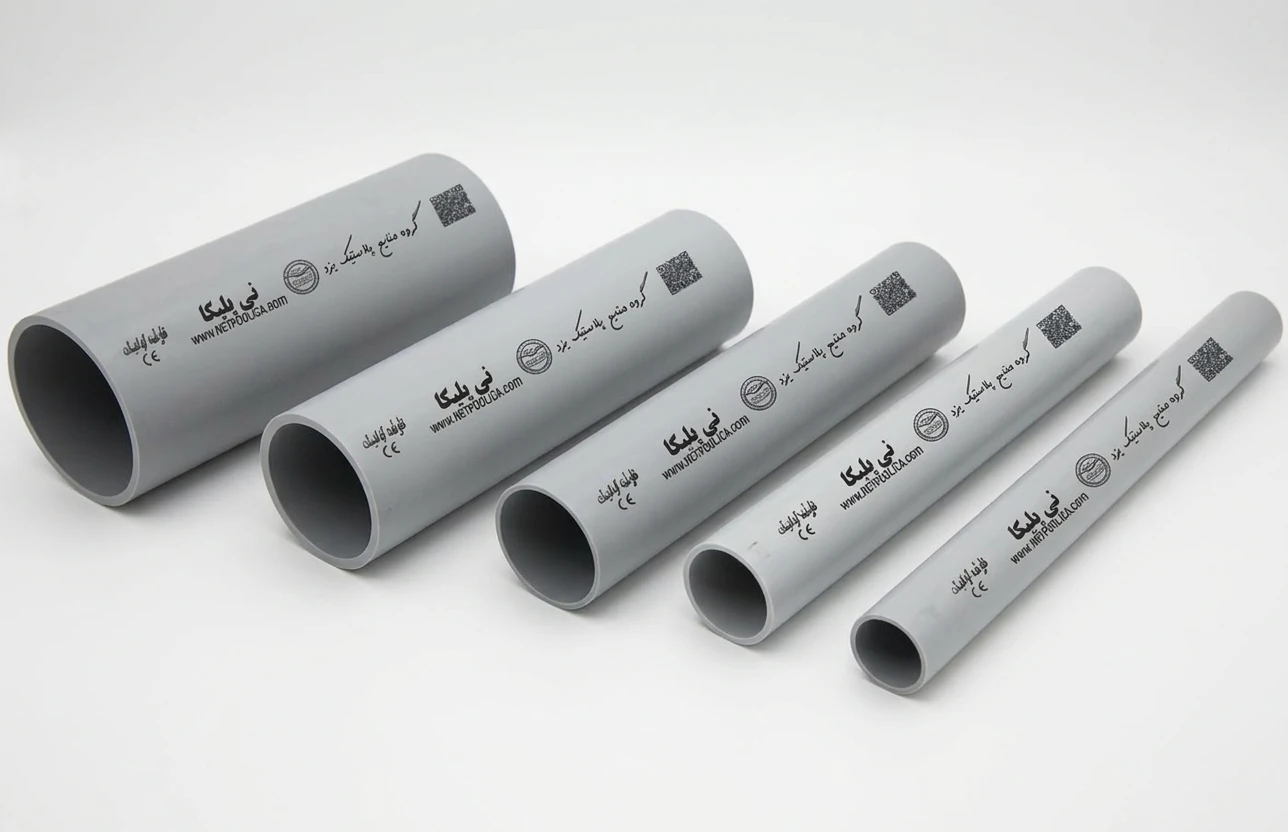
Advantages of UPVC Pipes and Fittings
UPVC pipes are recognized as one of the preferred options for piping systems across various industries due to their numerous advantages, including corrosion resistance, easy installation, excellent insulation, durability, cost-effectiveness, and recyclability. Some of the key advantages of UPVC pipes and fittings compared with metal pipes include:
Resistance to Corrosion and Rust
One of the most important advantages of UPVC pipes and fittings is their high resistance to corrosion and rust. Unlike metal pipes, which can corrode and rust when exposed to water, moisture, and various chemicals, UPVC pipes are highly resistant to these factors due to their polymer-based structure. This characteristic can contribute to a longer service life compared with many metal piping systems and reduce the need for frequent replacement and repairs.
Lightweight and Easy to Install
UPVC pipes are lightweight, making them easy to transport and install. This characteristic can help reduce labor costs and installation time. In addition, UPVC pipes can be easily cut and connected, without requiring heavy equipment for installation.
Thermal and Acoustic Insulation
UPVC pipes provide good thermal and acoustic insulation properties. This can help reduce heat loss in heating systems and minimize noise transmission through piping systems. This property is particularly valuable in residential and commercial buildings.
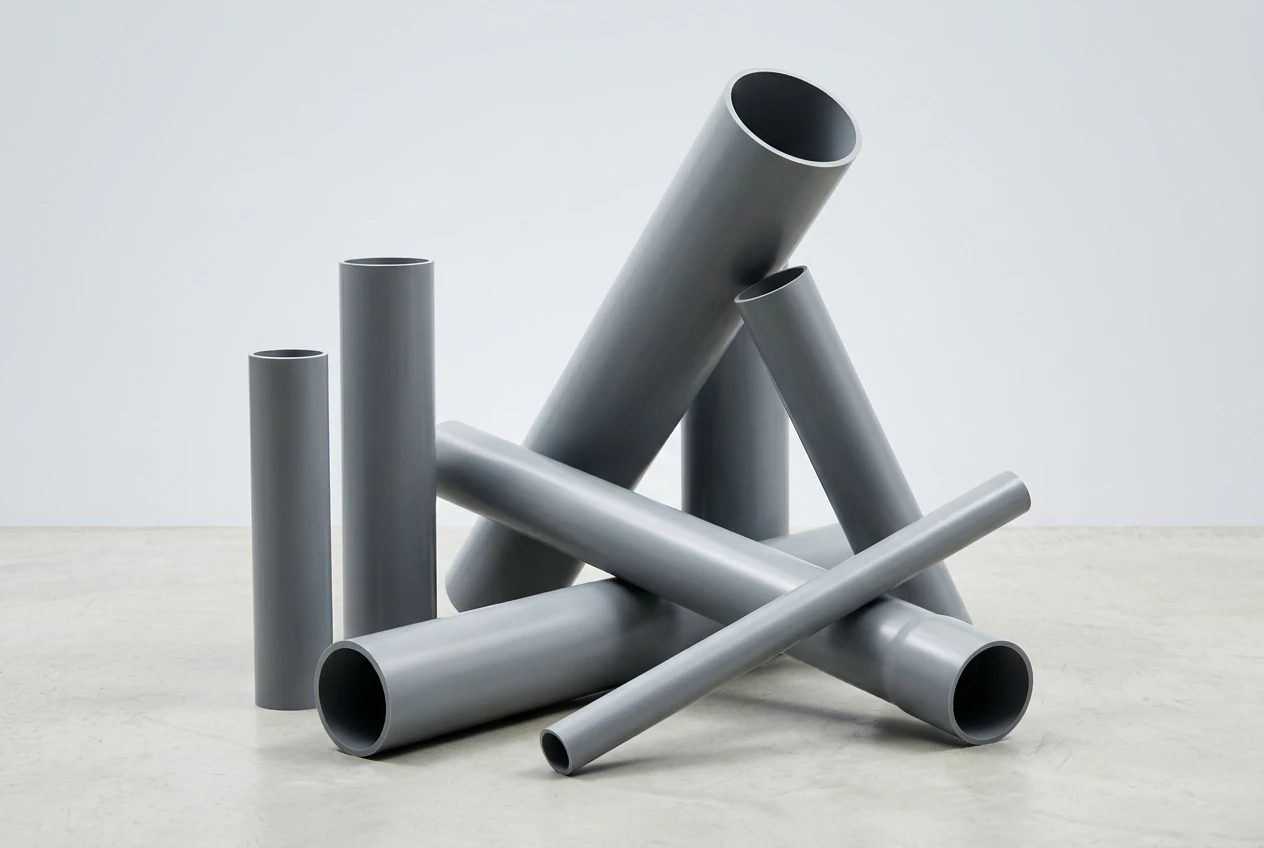
Chemical Resistance
UPVC pipes are resistant to many chemicals and generally do not corrode or deform when exposed to them. For this reason, they are widely used in industries such as chemical, pharmaceutical, and food processing.
Affordable Cost
In general, UPVC pipes are less expensive than many metal piping alternatives. This factor makes UPVC piping an economically attractive option for a wide range of projects.
Recyclability
UPVC pipes can be recycled, helping support more sustainable use of resources. Recycling can contribute to reducing environmental pollution and the consumption of natural resources.
Applications of UPVC Pipes
UPVC pipes are used in a wide range of applications, including water supply, sewage and drainage systems, irrigation, chemical industries, and construction. UPVC is also used to manufacture tanks, channels, and various industrial components.
Conclusion
Considering the numerous advantages of UPVC pipes over metal pipes, UPVC can be a suitable choice for many residential, commercial, and industrial applications. Corrosion resistance, lightweight construction, ease of installation, thermal and acoustic insulation, chemical resistance, flexibility, affordability, and recyclability are among the key advantages of UPVC pipes.
No comments have been sent yet!