



Content Menu
UPVC pipes and fittings have revolutionized the plumbing industry. UPVC is a lightweight, cost-effective, and corrosion-resistant alternative to traditional metal pipes. But how long do UPVC pipes and fittings last? How many years can UPVC pipes be used?
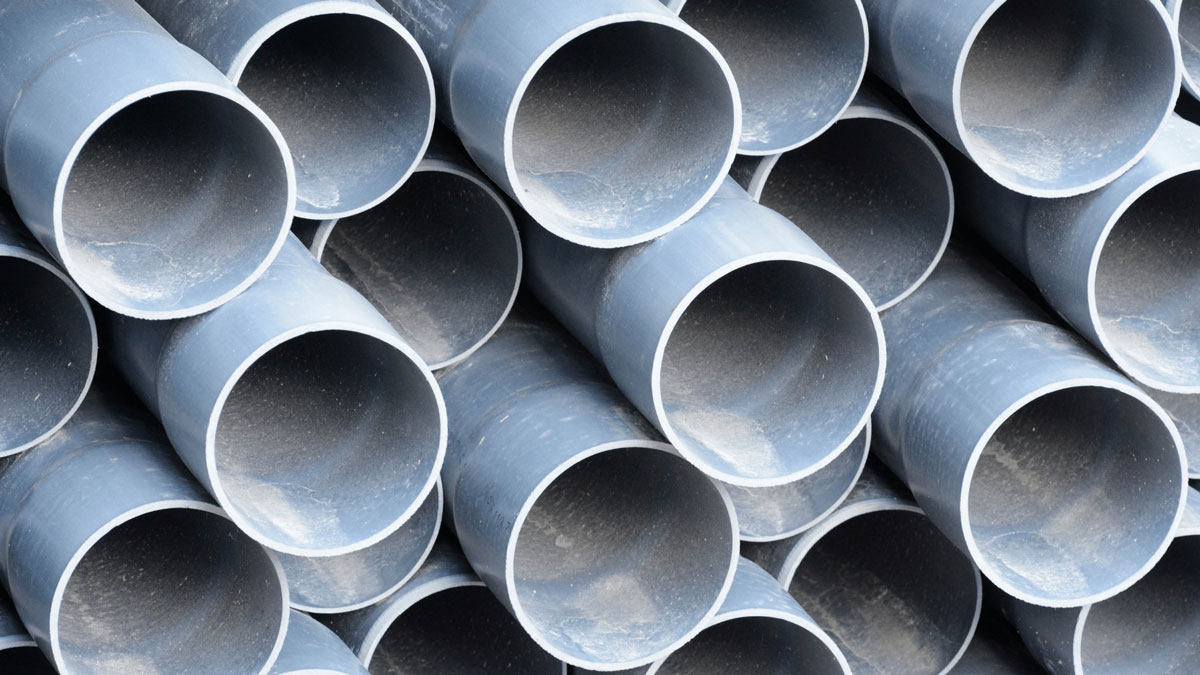
Lifespan of UPVC Pipes and Fittings
Under ideal conditions, UPVC has a remarkably long service life. Estimates indicate that these pipes and fittings can last for 50 years or more. This impressive lifespan is a result of the inherent properties of UPVC. UPVC pipes and fittings are resistant to rust and a wide range of chemicals commonly found in water systems. In addition, their smooth inner surface minimizes friction and reduces sediment buildup, helping ensure uninterrupted water flow for several decades.
However, in real-world conditions, several factors can affect the lifespan of UPVC pipes and fittings. These factors can generally be classified into three main areas:
- Exposure to Chemicals: Exposure to chemicals can pose a significant threat to UPVC. Aggressive chemicals such as strong acids or solvents can gradually degrade the material over time. This degradation may result in cracks, leaks, and eventually pipe failure. To protect the integrity of a UPVC piping network, it is important to ensure that such chemicals do not enter the plumbing system.
- Temperature Fluctuations: Extreme temperatures can also affect the service life of UPVC. While UPVC performs effectively within its normal operating temperature range, excessively high temperatures can weaken the material and make it more susceptible to deformation and warping. Conversely, very low temperatures can make UPVC more brittle and increase the risk of cracking under pressure.
- Physical Stress: Physical stress is another important factor affecting the lifespan of UPVC pipes and fittings. UPVC pipes are designed to withstand specific pressure loads. Exceeding these limits can lead to immediate failure or, more commonly, gradual weakening of the pipes, making them more vulnerable to future stress. In addition, improper installation practices, such as applying excessive force during pipe connections or placing pipes under inappropriate pressure, can create stress points that weaken the system.
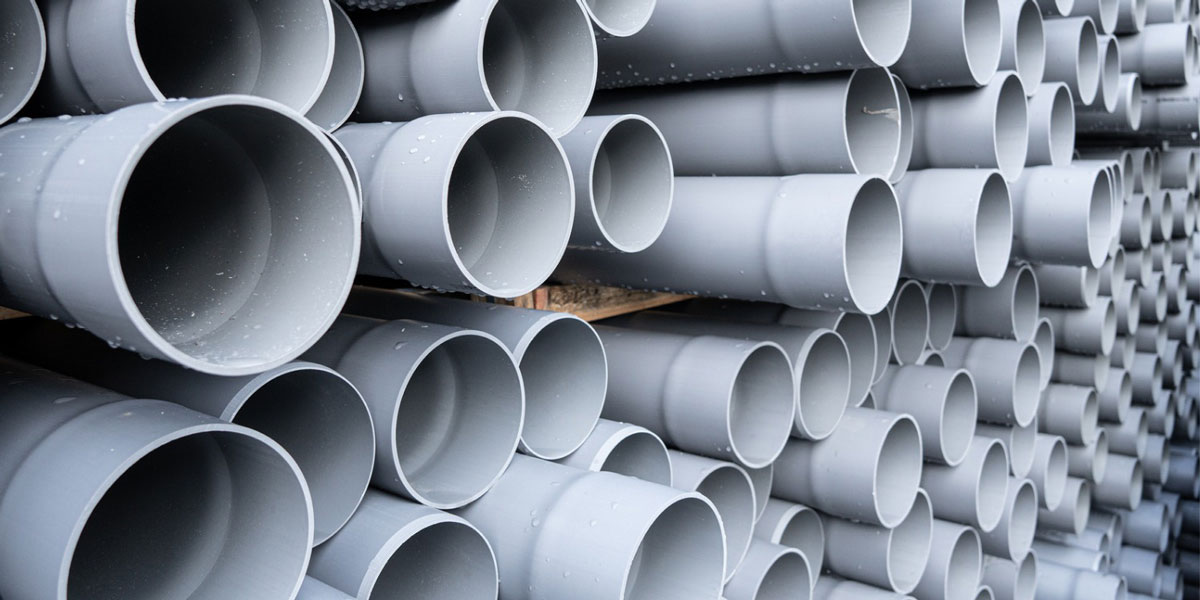
Ways to Extend the Lifespan of UPVC Pipes and Fittings
Considering these potential threats, it is essential to take preventive measures to maximize the lifespan of UPVC pipes and fittings. Selecting the appropriate UPVC for the intended application is crucial. Different grades offer different levels of resistance to pressure and temperature. Evaluating and selecting the right UPVC ensures that the chosen grade meets the specific requirements of your plumbing system.
Proper installation is equally important. Using correct joining methods, applying suitable solvent cement, and ensuring adequate pipe support are all critical steps. A properly installed UPVC system experiences minimal physical stress and can provide a longer service life.
Regular maintenance can also significantly extend the lifespan of UPVC pipes. This includes periodically flushing the system to remove accumulated debris that could potentially damage the pipes. In addition, visually inspecting pipes for cracks, leaks, or deformation allows for early detection and prompt repairs, helping prevent further damage.
Read More: Applications of UPVC in Different Industries
Conclusion
In conclusion, UPVC pipes and fittings offer a durable solution for your plumbing needs. With a service life of more than 50 years under ideal conditions, they can provide greater practicality and longevity compared with traditional materials. However, understanding the factors that can shorten the lifespan of UPVC pipes and fittings—such as chemical exposure, temperature fluctuations, and physical stress—allows us to take preventive measures. By selecting the appropriate UPVC grade, ensuring proper installation, and following regular maintenance practices, you can help ensure that these pipes provide a reliable flow of water for generations to come.
No comments have been sent yet!